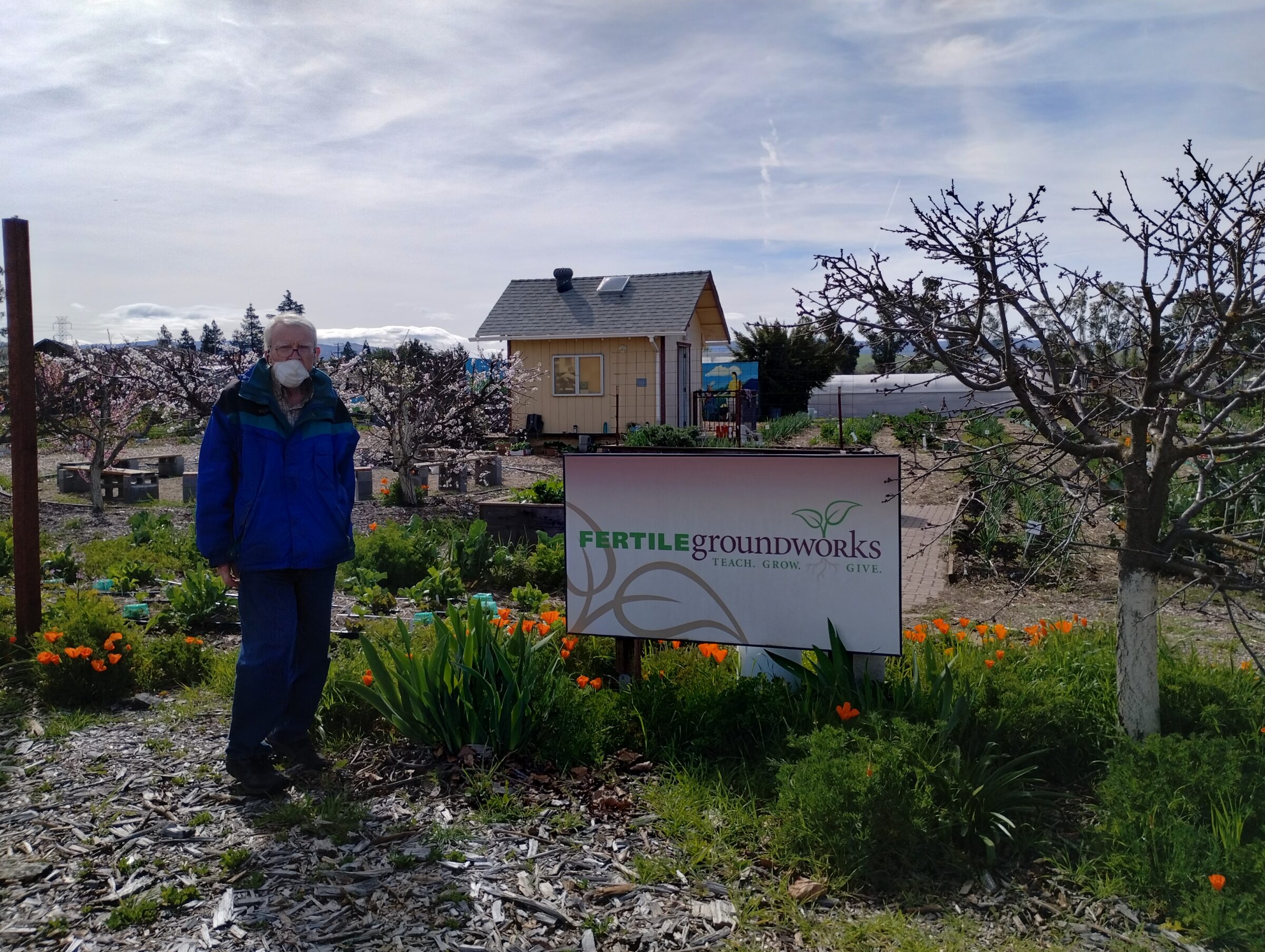
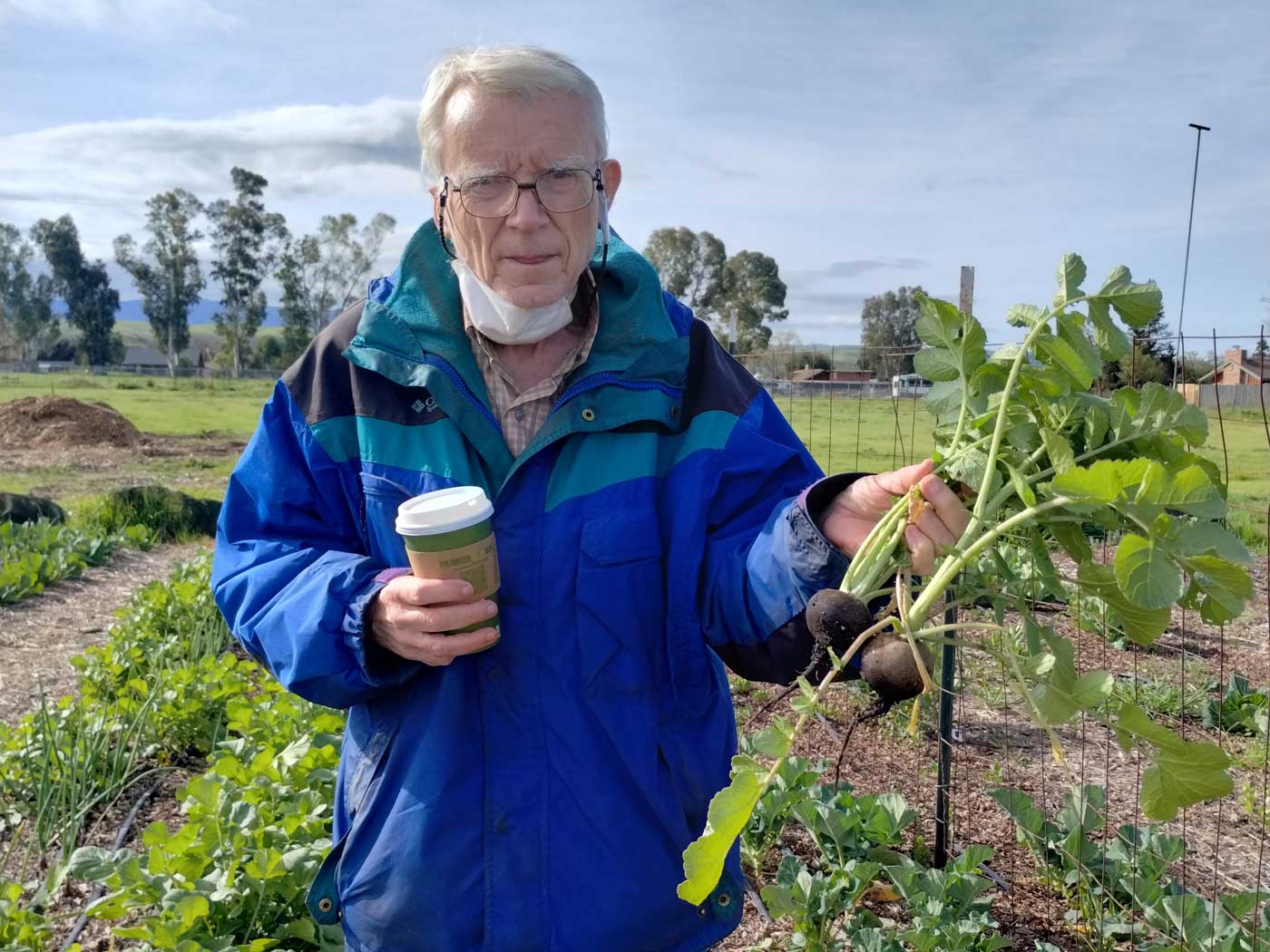
One thing that all alumni can agree on is that the education they received at South Dakota Mines can take them just about anywhere and open many doors of opportunity they never saw possible. The same can be said for Lance Sloan (PHYS 69), a physicist turned philanthropic gardener.
Lance originally chose South Dakota Mines for his education because of the school’s excellent reputation for higher education and he hoped to stay in state, having grown up in Aberdeen, South Dakota. He discovered a passion for math, physics, and cave exploring. As he made his way through school, he ended up with enough credits that he could’ve graduated with a math degree, however landed on physics instead.
“I thought physics was the more interesting of the degrees,” he said. “It’s a little hard to say why physics, but there’s considerably more reality to physics in terms of reacting to the real world than there is mathematics.”
After graduating in 1969, Lance went on to continue school and obtained a fellowship with the Fannie and John Hertz Foundation to study applied science at the University of California. He ended up in Livermore where he obtained his masters in applied science and transitioned to being a full time employee at Lawrence Livermore National Laboratory, where he spent his entire career from 1974 to 2003. While with the company, he worked in numerous areas including nuclear weapons, computer science, and the beginning stages of what would become the internet as we know it today.
One of his greatest passions, however, was not only in the world of physics, but also in gardening. While growing up, Lance’s father had three gardens going at one time: one at home, one a block away in an unused piece of property, and one a few miles outside of town, so he had some early gardening experience. He continued gardening as he went to school and off to work.
“I tried gardening while at Mines during the first summer while I was there without much success,” he recalled. “Though I did manage to tear up the property owner’s small part of his land, but I never got much food out of it.”
He went on to start a garden with a group of employees at Lawrence Livermore National Laboratory, however as his job took on more duties and more travel, he had to pause that. He continued small gardens off and on until he retired in 2003 and formed a large garden with a group of friends from church and has been tending to it ever since.
His gardening is also part of what led him down a road to philanthropy, often donating the fruits of his labor from the garden. Some of his generosity extended to local places, such as Open Heart Kitchen, who prepares and donates meals to people in need.
He has also been donating to South Dakota Mines for 25 years, including the creation of the Lansing Sloan Scholarship.
“My personal concern was more for the upper classmen, the ones who had invested a number of years of their life into school, but running into financial difficulties, putting them at risk of not finishing their degree,” he said, adding that he especially wanted to be able to support international students who were facing financial difficulties. “It seemed to be it would be best if every student in that situation had the chance to get help and it seemed like making something that applied to international students, it would maximize the impact contributed.”
His hope as students continue through their career is that they would gain successful careers and would go on to develop technology and methods to help people lead better lives.
“I am aware that not everything that has been produced technologically has been beneficial socially, but there is something to be said for the marketplace where people can buy things that interest them and make use of them to improve their lives,” he said.
In the end, he said he hopes students learn to do three things:
- Do unto others as you do unto you – understand what they want first, because what you want and what they want could be very different.
- Feel free to explore things you don’t know about but have a pretty good chance at being able to understand and make progress.
- Be prepared to adapt to a new environment.